Showing posts with label growing up absurd in the 1950s. Show all posts

Friday, November 30, 2012

In The Time Of The Be-Bop Baby Boom Jail Break-Out- In The Time Of The “Boss”Car


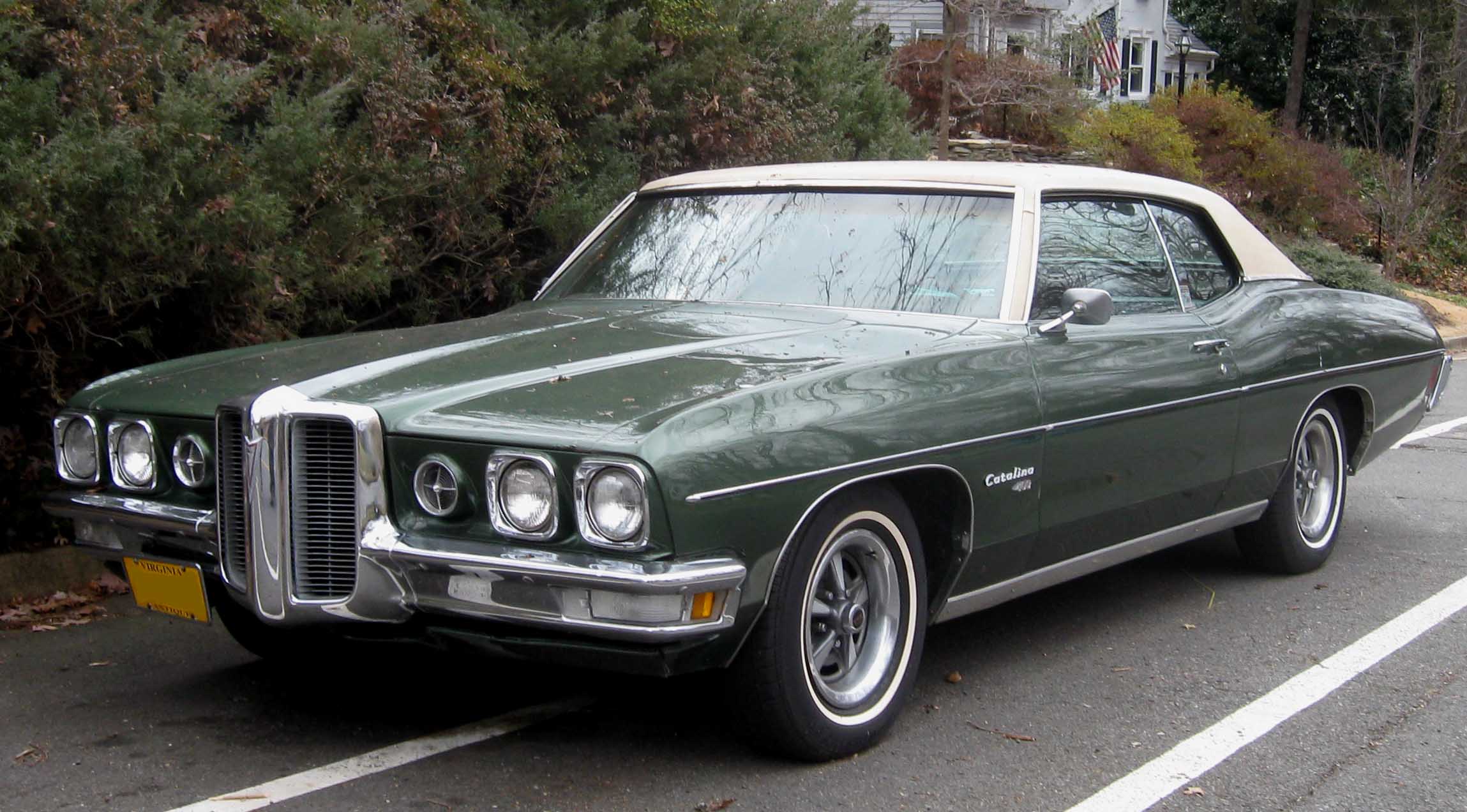
I had several months ago been on a tear in reviewing individual CDs in an extensive classic rock ‘n’ roll series (now classic, then just our music). A lot of those reviews had been driven by the artwork which graced the covers of each item, both to stir ancient memories and reflect that precise moment in time, the youth time of the now very, very mature (nice sliding over the age issue, right?) baby-boomer generation who lived and died by the music. And who fit in, or did not fit in as the case may, to the themes expressed in those artwork scenes. Here we have the latter, the not fit in part, for this reviewer anyway. The latter is the case here although the cover art was simplicity itself- the rear view of an aerodynamically-contoured rear fin (yes, fin) of a “boss” (yes, boss) 1950s automobile of unknown provenance (but we can guess, right?)

Yes, and that slight description is all that is needed for those of us who came of age in the “golden age of the automobile”in the speed and thrills-craving aftermath of World War II when restless Americans, young and old, more young as it turned out, went into spasms over the latest “boss” (yes, boss) vehicle coming out of Detroit, the motor capital of the world then. Of course the cars kind of sorted themselves out- you wouldn’t, if you were young, dream of driving something that your father drove. So if you got his hand-me-down after he decided that he needed, just absolutely needed, that much more power in his automobile in order to keep up with the Joneses, you would move might and main in order to transform that old clunky dad car into a respectable tool. A rocket-like tool to fit the age, to ride and to ride with some sweet honey at your side, on those hot sticky, sultry summer nights down by the seaside, or at the drive-in, movie or for food, your choice.

Yes, and this is why even a mainly a not fit in no car boy like me, from a mainly no car family, could (and maybe still could) stare his eyes out over some boss of the bosses ’57 Chevy charging down the be-bop night boulevard, or a lanky turbo-driven long-line Lincoln, or a rebuilt Cadillac or a tear-up Thunderbird. Relics from a high cubic volume engine age when your twenty-nine cents a gallon gas took you about three feet per gallon. But still, come on now, they looked, well, boss.

Oh, yes, and of course you needed to amp up that boss wagon car radio, previously set exclusively to some father business news station (jesus), booming out the latest rock and roll hits about cars, especially West Coast car legends and their chicken runs, girls (east coast or west coast, hell, even the Mid-West), girls and boys in trouble, in love, out of love (ditto on that geography thing), chasing that sunset ocean-flecked dream. But mainly, when the dust settled, you had to worry about how and who was going to front that dough to get that new back chrome fender you just needed, absolutely needed, needed like crazy to keep up with the Jones’ son.

But on that boss car radio you were likely, very likely, to be cruising to (even if only riding shotgun in some buddy’s boss car cruising that boulevard looking for, what else, girls who just that moment might be in need of some seaside company, or wanted to go the drive-in, their choice) many of the tunes reviewed in that series. Stick-outs on this fin tail art beauty included: For Your Love, Ed Townsend; Silhouettes, The Diamonds; Somethin’ Else, Eddie Cochran (totally underrated in the classic rock scheme of things after he died in a car accident, naturally, especially his classic Summertime Blues that was a rite of passage each summer vacation); and, as always when you talk 1950s rock, the serious stuff, the serious riffing guitar stuff from the place where rock met the blues, Chuck Berry on Almost Grown, not his number one, A-list material but good in this company.


Friday, October 26, 2012

From The Pen Of Joshua Lawrence Breslin-Not Your Father’s Automobile, Circa 1955

CD Review

The Rock and Roll Era: The‘50s: Rave On, various artists, Time-Life Music, 1990

No question kids today grow up faster than we did back in the 1950s be-bop minute, the minute when the generation of ’68 began to twist and turn with the hard facts of life. The hard facts of life for boys being what to do about girls (and girls, or other combinations today, can chime in with their own sagas on the personal relationship heartache road). The thing consumed many an abandoned night trying figure out if Sherry this liked Willie that. Or if that glance from Lorraine meant what the Be-Bop Kid (my moniker for a while in middle school) though it meant when she passed him and looked back in the hallway between classes. Stuff like that. Purely kid’s stuff but the glue that held us together.

See a lot of stuff was from ignorance, willful ignorance brought to us by our parents, our churches and our school (acting as substitute parents, I won’t use the common Latin term because this is no dead language screed) to keep us in the dark about, well, sex, for openers. Nowadays every ten year old kid knows more real stuff about the subject (and probably as much unreal stuff as back in the day too) than you could shake a stick at. And I hope it helps them through teen angst and teen alienation time.

But I wonder about a certain period that period when for boys, some boys anyway, when girls turn from sticks to shapes. You know what I am talking about. When Jenny, who last year was nothing but a nuisance, a giggling nuisance chattering away with her girlfriends and making odd ball remarks about you being this or that, or maybe taking a hard punch at you just for looking at her the wrong way now looked kind of, well, interesting. And maybe she is taking her first blushed peeps at you too.

Here is where it all got really confusing though, that time when Jenny and her girlfriends invited you, you of all people, to her house for a party and you went, you trembling went. And as the evening wore on (maybe eight o’clock kid’s time late) the inevitable lights when out and the “petting” began. And then you would think about what old rock and rock king Chuck Berry meant when his latest single , Almost Grown, hit the airwaves (and was played a couple of times at said party). Jesus, kid’s today have it a hundred times easier. Right?

Thursday, October 25, 2012

From The Pen Of Joshua Lawrence Breslin-The Be-Bop Beach Night, Circa 1960


“Josh called, Josh called, Josh called about seven times while you were out Betty,” Mrs. Becker yelled up to Betty rushing to her room in order to get ready for her big date with new romance Teddy. Teddy today freshly met, six hours and fifteen minutes ago freshly met, at the beach, the beautiful, beautiful Olde Saco Beach, formerly just a beach, a too stony to the Betty feet touch beach, fetid at low tide (it stunk, honestly) and on more than one occasion held to be a beach fit solely for lowlife by one Betty Becker. But now beautiful, beautiful since Teddy, Teddy Andrews, had noticed her, had traversed and graced his bare feet on that stony brine in order to introduce himself to her, her Betty Becker, soon to be a senior at Olde Saco High and then, then …fleeting moments of fantasy, Mrs. Teddy Andrews.

Now it was not merely happenstance that Betty Becker was on Olde Saco Beach this July 1960 afternoon, stationed there along with her bevy of summering Olde Saco High School girls (okay, okay three other girls just in case four does not make a bevy) in their sacred sanctified spot between the Seal Rock Yacht Club and the South Saco River Club. This spot had been a dedicated place for the pick (and not so pick) of the Olde Saco High soon to be senior girls since, well, since there was probably an Olde Saco Beach, or at least as far back as anyone, any soon to be senior girl could remember. Reason: reason number one and there was (is) no other reason worthy of mention was this was prime real estate, stony brine or not, to be noticed, noticed in summer swim suits or diaphanous sun dresses, by what passed for the Olde Saco Mayfair set, junior division. In short, future husband or lover material to take a step or two up in the world without much heavy lifting (or so most of these young unworldly women thought).

That reason was moreover of more recent origin, and datable as well, since Lydia LeClair, Olde Saco Class of 1944 and of humble MacAdams  Textile Mills mill worker family had snagged Robert MacAdams, a grandson of the founder, and was even then comfortable ensconced in a small mansion over in Ocean City for all to see, and admire. So from that time not only was this spot sacred senior girl ground but the seat of dreams of getting out from  under some small white picket fence cottage over on Atlantic  Avenue and a pinched life fate like their parents. So daily in the summer, pretty girls, not so pretty girls, even just average girls could be found between those two boat clubs and nowhere else. And heaven help, no better, hell help any soon to be  freshman, sophomore or junior girl (one not even need to mention junior high girls) found in that precinct before her time. Come to think of it most days anybody but that select company. (And any others would be well advised to avoid that place what with the preening, the giggles, and the incessant johnny angel, teen angel, fool in love, earth angel, angel baby, endless sleep, music roaring out of those collective transistor radios). But enough of beaches, enough of stones, enough of boat clubs, enough of blaring music back to Betty Becker and her palpable dream.       

That afternoon Teddy (father a lawyer for the MacAdams Textile Mills and therefore worthy of local Mayfair swell-dom) had spied her, he said, from the deck of the Seal Rock Club and was compelled, compelled he said, to check out the foxy blonde-haired chick (boy term of art, circa 1960 and forward, for, girl, woman) in the red bikini. Betty smiled, smiled the of the knowing, knowing that she had turned more than one head this summer, older guys too with silly no-account leering looks, with that very revealing bathing suit. Unlike the others though, young and old, that she would have rebuffed if they had approached (some if they had come within a mile of her) Teddy had noticed, saw red, saw sex in big letters, walked over to the bevy of blankets (the other three of the so-called not exactly unbecoming but not blonde and red-bikini-ed and therefore this day not Teddy Andrews temperature raising) told her just that, told her how foxy she looked. And she practically swooned (although already practiced in coy-ship just smiled, obligatory smile responded). A few minutes of off-hand banter and they were dated up for the evening.

Dreamy Teddy, rich Teddy, of the father-bought new Pontiac Star Chief sitting in front of the Seal Rock Club for all the world, all the Olde Saco girl world to see, and that was what mattered, with plenty of  zip and style (car and boy)that every girl in school was crazy to get in the front seat of, and with. Teddy of the now forget Josh, forget he ever existed Josh. Josh of the two years standing since the first day of freshman year as her beau, but more importantly, with "what is a girl to do big doings and a big hungry world," walking Josh of the no car fraternity. Blah. And before Betty could hear the faint ring of another Josh call she was out the door and planned to be off-limits, Teddy off-limits, to every Josh in school, including Josh, until somebody came by with a father-bought Cadillac and then maybe she would find herself in the front seat of that automobile. Maybe.  Yes, a girl, a working-class girl with good looks, a good personality but a little light on the book smarts, and a lot light on the dough smarts had to look out for herself. Josh, eternally understanding Josh, would understand, wouldn’t he?  

Meanwhile Josh, Josh of the infinite nickels, had stepped away from the telephone at Doc’s Drugstore over on Main Street after making that eighth call to one Betty Becker. See, Josh had two reasons for using the public telephone at Doc’s, first, he didn’t want snooping older brothers to harass him over his long Betty craze (they had her figured as, at best, a gold-digger and was just hanging on to Josh until the next best thing came along) and so he would not use a home phone to call her. And secondly, currently, the Breslin residence, due to an out of work father, had no phone with which to call Miss Betty in any case. So he was pushing shoe leather between the telephone booth and his stool at Doc’s where a forlorn Coke (cherry Coke) was waiting on the completion of his errand. He said to himself one more time was all and then he would head home. Doc’s motions made him realize that was his fate in any case as he was ready to close up shop for the evening. Ninth call, no soap, and he left saying a pitiful good night to Doc.        

Out on Main Street he walked head down, lost in thought, when a big new Pontiac, two-toned (a couple of shades of green then stylish, uh, cool) passed him by, honking like crazy. He didn’t realize who it was until the car came back to him honking like crazy again. Then he saw Betty and her dreamy Teddy laughing, laughing like crazy at the “pedestrian.”  The car stopped, Betty got out and gave Josh his class ring back saying that she was not walking any place anymore, thank you. And then, to add insult to injury, Teddy floored the gas pedal leaving dust all over Josh. He could faintly sense them laughing, laughing like crazy once again as they drove away. (Josh found out later through one of the Betty bevy that she was miffed at Teddy for that last act, although she never said anything to Josh about it then or ever since she avoided him like the plague thereafter.)     

When Josh got home he went up into his tiny room (the fate of the youngest brother), closed the door behind him, locked it, and turned on his transistor radio. Rock and roll music calmed him down at times like these. Then he thought over the situation and while he was still hurt he could see that Betty had to take her chance, take her chance to get out from under the Olde Saco rock and while he didn’t forgive her he did understand. What he didn’t understand, and wouldn’t understand for many years, was why she acted that way that night on Main Street after they had just discussed the issue the not making fools of each other under any circumstances the previous week. That previous week Betty and he had laughed at that thought promising eternally that such would never be their fates.

[Betty MacAdams, nee Becker, did eventually find her Mayfair swell, for a while, marrying a great-grandson of the founder of the MacAdams textile fortune, moved over with the rest of the clan to Ocean City, had a couple of kids, was eventually divorced by that great-grandson when he went to live with his mistress, and was last heard from living quietly in Europe on her divorce settlement. For a while, until such things went out of fashion, public fashion anyway, Betty (Class of 1961) was held up as the Olde Saco High senior girl example of the possibilities of summering between those two old boat clubs waiting on the Mayfair swells, junior division.- JLB]    


Tuesday, October 23, 2012

From The Pen Of Joshua Lawrence Breslin-When The World Imitated Elvis, Circa 1956

Click on the headline to link to a Youtube film clip of Carl Perkins performing Bopping The Blues.

CD Review

The Rock and Roll Era: 1956, various artists, Time-Life Music, 1989

Nobody in the whole wide Western world wanted to be the be-bop max daddy king hell king of rock and roll more than Billie (not Billy, not regular old ordinary vanilla Billy) Bradley. Well, nobody except maybe the king himself, Elvis, but Billy was a close second. What Billy was first at, and maybe more first than Elvis, was the desire to use whatever musical talents he had (and they were promising) to be the king hell king of the projects where he grew up. And so whenever Billie (don’t spell it the other way even now, even now when he is long gone from king hell king strivings) was not in school, was not humoring his corner boys (including me) with some song or skit, or was not robbing some uptown Olde Saco merchant of his earthy goods or planning to, he was before the mirror (vanity thy name is Billie or one of thy names is Billie) singing some song but more importantly developing that certain look that was to drive the girls wild.        

And it worked for a while, a while around the Olde Saco projects for a while with the local girls (junior division about age twelve or under) who wanted their Elvis moment even if it was once removed. Not that Billie’s look was anything like Elvis’ (in tense moments Billie would call Elvis’ style pure punk, nothing , nada). Every time Olde Saco South Elementary School  put on a charity talent show during the period from, say 1956 to 1958 Billie was there. And for several shows running he was the be-bop king hands downs. The girls would flock around him and his “rejects” would wind up with his corner boys (including me) and so for all the Olde Saco days and nights of that period we were his biggest promoters. Praise be king Billie.      

Then one night one 1958 night at a church benefit held in the basement of Sainte Brigitte’s  Billie came unglued. See he had become something of  a local kid celebrity by then and so Alabaster Records, the big label for new talent, had sent an agent to see Billie do his stuff. Naturally Billie wanted to impress so he tore into his best cover, Carl Perkin’s Bopping The Blues. What nobody knew, at least nobody in the audience (except said corner boys), was that his suit, his sweet Billie suit, had been quickly made by his mother on the fly from material purchased at some bargain discount joint. About half way through the performance first one arm of his suit jacket came flying off and then the other. Needless to say the Alabaster agents wrote Billie off without a murmur.       

Here is the funny part. The girls, those giggling teeny-bopper girls, thought that the arm gag was part of Billie act and so for many, many months Billie was followed by a bevy (nice, word, huh) of adoring girls from school and the neighborhood. And we, his loyal corner boys gladly took his “rejects.” Here is the not funny part though. After than night, after that rejection something, and I don’t know what and I was closest to him at that point, snapped in Billie. Something about the world being fixed a certain way, a certain not Billie way and it ate at him. From that point on the wanna-be gangster began to take over.  I stayed with him through part it and then moved on. But when he was in his Elvis moment, yes, when he was in his Elvis moment, he made the earth move.     

Monday, October 22, 2012

From The Pen Of Joshua Lawrence Breslin-The Golden Age Of The Automobile, Circa 1954


There was a madness in this country in the 1950s. No, not the Cold War atomic-bomb-is-going-to-get-us-we-are-all-going-to-be-dead-next-week or “better dead than red” kind of madness although there was plenty of that, but a madness for the automobile, the sleeker, the more airplane-like, the more aerodynamic, and more powerfully-engined the better. It wasn’t just, deafeningly mad as they were, driven by those guys in the now almost sepia-faded photographic images of tight white T-shirt wearing, rolled sleeve cigarette-packed, greased Pompadour-haired, long side-burned, dangling-combed , engineer-booted, chain-wielding, side of the mouth butt-puffing , didn’t care if school kept or not bent over the hood of some souped-up ’57 Chevy working, sweating pools of sweat, sweating to get even more power out of that ferocious V-8 engine for the Saturday night “ chicken" run.

And it wasn’t even driven by those mad faux James Dean-sneered, "rebel without a cause"-posed, cooled-out, maybe hop-headed guys, smelling of aromatic ganga, mary jane, herb, grass deeply drawn , name your name for nirvana twists, either. The guys with the faux leather jackets, black as night and black as their desiccated hearts, short tempers and short knives ready to avenge at the drop of  a hat, or just because they were feeling that way that day, any slight. And it was always guys, who you swore you would beat down if they ever even looked at your sister, if you had a sister, and if you liked her enough to beat a guy down to defend her honor, or whatever drove your sense of right. And, of course she, your sister no less, is looking for all she is worth at this “James Dean” soda jerk (hey, what else could he be), this zen master “chicken run’ hood, or that black-hearted chain-wielder, because this guy is “cute.” Go figure.

No, and forget all those stereotypes that they, the historians, the literary critics, the social commentators, the media-aratti, like to roll out when they want to bring a little “color” to the desperately color-craving 1950s. This car madness was driven, and driven hard, by your very own stay-at-home-and watch the television, water the lawn, if you have a lawn and it needed watering and sometimes when it didn’t just to get out of the house, have couple of beers and take a nap on Saturday afternoon father (or grandfather, I have to remember who might be in my audience now) who always said “ask your mother” to blow you off. You know him. I know you know him he just had a different name than mine did. And maybe even your very own mother (or grandmother) got caught up in the car thing too, your mother the one who always would say “ask your father. You know her too, don’t say no. I hope by now you knew they were working a team scam on you even if you didn’t have the kind of proof that you could take to court and get a little justice on.

Hell, on this car thing they were just doing a little strutting of their stuff in showcase, show-off, “see what I got and you don’t” time. Come on now, don’t pretend that you don’t know what I am talking about, at least if you too grew up in the 1950s, or heard about it, or even think you heard about it. Hey, it was about dreams of car ownership for the Great Depression, World War II survivors looking to finally cash in, as a symbol that one, and one’s family, had arrived in the great American dream, and all on easy monthly payments, no money down, and the bigger, the sleeker the better and I’ll take the heavy- chromed, aerodynamically-designed, two-toned one, thank you. That was how you knew who counted, and who didn’t. You know what I mean.

Heck, that ‘50s big old fluffy pure white cloud of a dream even seeped all the way down into “the projects”, the Acre projects (a.k.a. the Olde Saco Housing Authority apartments up in Maine  although nobody ever called it that except to snicker , just the Acre). And I will bet the same was true over at the Adamsville, Massachusetts “projects” near Boston where my amigo Peter Paul Markin grew up he did too, although I don’t know for sure on that, and maybe in the thousand and one other displaced person hole-in-the-walls “projects” they built as an afterthought back then for those families like mine caught on the slow track in “go-go” America. Except down there, down there on the edge of respectability, and maybe even mixed in with a little disrespectability, you didn’t want to have too good a car, even if you could get that easy credit, because what we you doing with that nice sleek, fin-tailed thing with four doors and plenty of room for the kids in the back in a place like “the projects” and maybe there was something the “authorities” should know about, yes. Better to move on with that old cranky 1940s-style un-hip, un-mourned, un-cool jalopy than face the wrath and clucking of that crowd, the venom-filled, green-eyed neighbors.

Yes, that little intro is all well and good and a truth you can take my word for but this tale is about, if I ever get around to it, those who had the car madness deep in their psyche, but not the wherewithal- this is a cry, if you can believe it today, from the no car families. Jesus, how could you not get the car madness then though, young as I was, facing it every night stark-naked in front of you on the television set, small as the black and white picture was, of Buicks, and Chevys and Pontiacs and whatever other kind of car they had to sell to you. But what about us street car dependents? The ones who rode the bus, back or front it didn’t matter, at least up there in Olde Saco it didn’t matter. Down South they got kind of funny about it.

As you might have figured out by now, and if you didn’t I will tell you, that was our family’s fate, more often than not. It was not that we never had a car back then, but there were plenty of times when we didn’t and I have the crooked heels, peek-a-boo-soles, and worn out shoe leather from walking rather than waiting on that never-coming bus to prove it. And not only that but I got so I had no fear of walking, and walking great distances if I had to, all the way to  “up-town” Olde Saco Center even. That was easy stuff thinking back on it. I‘ll tell you about walking those later long, lonesome roads out West in places like just before the mountains in Winnemucca, Nevada and 129 degree desert- hot Needles, California switching into 130 degree desert-hot Blythe, Arizona some other time, because it just doesn’t seem right to talk about mere walking, long or short, when the great American automobile is present and rolling by.

It’s kind of funny now but the thing was, when there was enough money to get one, that the cars my poor old, kind of city ways naïve, but fighting Marine-proud father would get, from wherever in this god forsaken earth he got them from would be, to be polite, clunkers and nothing but old time jalopies that even those “hot rod” James Dean guys mentioned above would sneer at, and sneer at big time, at. It would always be a 1947 something, like a Hudson or Nash Rambler, or who knows the misty, musty names of these long forgotten brands.

The long and short it was, and this is what’s really important when you think about it, that they would inevitably break down, and breakdown in just the wrong place, at least the wrong place if you had a wife who couldn’t drive or help in that department and three screaming, bawling tow-headed boys who wanted to get wherever it was we were going, and get there-now.  And always dreaming, or maybe pointing out in daytime to anybody in this whole candid world who would listen, of great 1954 this or that “boss” (local, hell maybe nation, among the young then, term of art for primo, numero uno things) Buicks, Pontiacs, and especially that two-toned Chevy just off the assembly line.

But it was those break-downs, those oil slicks under the car, those sick engine sounds that meant no good, that funny rattling sound coming from the rear which meant hard-earned money (and maybe no car for a while if it was a battle between that and kids’ groceries) would have to be spend on repair that ruled the young Breslin family world. Sometimes the only difference between having a car available and not was dependent on the good graces of one Joey Parker, the max daddy of the self-taught local mechanics who, very conveniently, lived in a trailer at the outer edge of the Acre and who, from some unknown beginning , was friendly with my father, the late Prescott Breslin.  (Our “relationship,” my relationship with Joey, if that is the right term, had started when my father had to push, assisted by three young sons, a transmission- busted 1947 Studebaker over to his place for major work and I was totally fascinated by the automobiles strewn in all conditions around his “garage.”) So in the end the golden age of the American automobile turns out to be about the valor of Joey Parker and his mad passion for fixing lame and halting automobiles.   
 

Joey Parker was several years older than me, maybe ten, but that didn’t stop him from letting me hang around his “garage” and watch him turn some stumble-bum wreck of an automobile that had been scrapped off some back road after some midnight “chicken run” into a vehicle worthy of a king. Worthy that is if what you wanted was speed and chicken runs and were not worried like a lot of older guys (and like my corner boys from the stoop in front of Mama’s Pizza parlor over Main Street and me later when our time came about ninth grade when we are already plotting Seal Rock dream dates in some sultry, sexy heap) were about the thing being “girl ready,” especially girl back seat ready. Then you went, just like we did, over to Bill’s Esso and got the thing all dolled up, amped up, and perfumed up, I guess.

Then though all I, ten years of surly snarl and Meme back-bite, cared about, aside from the revival of various Breslin clunkers already mentioned, was Joey turning his wrecks into speed. And, truth, that was all that Joey cared about, at least that s all he talked about. About that ability to pull the throttle down from zero to sixty in about thirty second s flat (wild estimate for I wouldn’t know the exact time it took unless I was told). Here is the funny part though, unlike a lot of guys who had those “boss” engines under the hood to impress the girls (women too, married women from what I heard, although I didn’t put too much credence in that talk at the time. Every guy from about fourteen to four hundred believed that those young married women were just pining away for some sex instead of doing the housework while hubby was at work. Those ideas died hard.) as they zoomed down Olde Saco Boulevard, Joey didn’t talk or seem to take much interest in girls.         

Although they, when he had some speed demon roadster all polished and pretty, flocked to his trailer looking for, well, you know what they were looking for (although I didn’t at the time). One girl, about sixteen, had her brother, my school friend Benny, hang around Joey’s for the express purpose of gathering intelligence about who Joey was, or was not, seeing and dropping hints via that poor brother that she was ready to give her all to sit in the front seat of a Joey-mobile.      

[A few years later long after I had stopped hanging around the garage and moved on to the corner I found out the exact reason why Joey was not interested in discussing girls, or his sex life. We (or maybe, I) thought he might be a fag (a term of, well you know, derision in the Acre and elsewhere in 1950s America). Gay. No way. See Joey had fathered at least two children by two different girls up around Portland way and was laying low, very low on the girl front-JLB]     

Now in case you don’t know, and maybe thought I was some juvenile delinquent-in- waiting, ready, at age ten, to plot out robberies and other mayhems in order to be ready to get my own fixed up wreck when my time came the reason I was hanging Joey’s garage was just because it was located down the end of our family’s street over in the Acre and when thing s got tough at home with Ma mainly (we called her in the French-Canadian fashion, Meme, she nee LeBlanc from the LeBlancs up around Quebec City way) then I headed to Joey’s to cool out. There was always a battle over sometime, mainly dough or no dough stuff, and desires kid know-nothing economic desires, but that is my story (and Meme’s) not Joey’s so I will move on.

Sometimes we, Joey and I, would run around town but mainly I just hung out there with a couple of other guys my age that also had the Ma problem. We did that for a few years until we had to start worrying about girls and cars rather some wrecked cars getting revived but the best years were the first couple when Joey would let us watch, maybe let us hand him some tool and also let us listen to the forbidden (Ma forbidden, Meme strictly forbidden no devil’s music in her pure Roman Catholic home, period, end of story) local radio station, WMEX, that he had on constantly. The local rock and roll radio station (although at first we did not know that term but we sure as hell knew the bounce of the music).Around the house Ma and Dad were strictly tuned into WJDA and the old fogey World War II stuff like Bing Crosby, Rosemary Clooney, Peggy Lee and Frank (yes, that Frank) that drove me up a wall even before I hit on Joey’s WMEX.

I remember the first, maybe the second, time Joey let me hang around (it was done mainly, as it was with the other guys, by him not saying “get lost”). For some reason he did not have the radio on that morning before he started working on some 1954 Pontiac that had gotten mashed going 110 MPH, or something like that, over on Gorham Road in Scarborough. So he talked, talked a blue streak for a taciturn, gruff, few words kind of guy, about how he had finally found a wreck, this Pontiac Star Chief, that he could turn into a chariot (his term) that would blow Johnny Blaze, Johnny, king of the “chicken run” Olde Saco Beach Saturday night, away. Beat Johnny so bad that he would thereafter happily have his work done over at Bill’s Esso like all the other squares (1950s term of art for, for, hell, you know, squares, the regular nine to five people, stuff like that).

Even I had heard of Johnny and his exploits. About his almost jet-like cars. About how he totally blew Stewball Stu (named as such for his constant companion whisky breathe but don’t ever call him that to his face or you might have your face mangled at the wrong end of chain whipping) the previous king away leaving him badly injured in some swamp ditch down in South Berwick one rainy early Sunday morning, driving away laughing and with Stu’s girl (they had bet her as part of the bargain). Rough boy. The most famous though was the night he outran the Kennebunk cops out on Route 109, blew them away, and the next morning sat down at the Jeffery’s Diner and smiled, just smiled at the same cops who chased him, while they were having their coffee and. And they, red-faced, couldn’t let on they had been beaten by a civilian. Beautiful. Yes, Johnny was the king in that jacked up Chevy of his and would be hard to displace, very hard I thought.

Then Joey went on and on that morning about the displacement this and that, the wheel base this and that, the fuel pump this and that, the dual carburetors this and that, all stuff then (and now) which I was clueless about. All I knew was that I wished Joey well, that I hoped that he would beat old Johnny (not for any other reason than I knew Joey and didn’t know Johnny), and that I wished he would let me hang around while he was putting his masterpiece together. And he did. Did let me hang around and did finish his masterpiece. It took him maybe two months, in between working on various conditions of my father’s and other’s cars in order to carry the freight for expenses for his souped-up Star Chief.

Word got around; got around small town Olde Saco (and the even smaller part that cared about chicken runs Olde Saco) that Joey was ready, ready for Johnny Blaze anytime, anywhere. As such things go about two days later I heard from Benny, one of the other kids that also hung around Joey’s (and the brother of that girl who was ready to give her all for Joey at the slightest glance, sorry sister Joey was booked, booked solid) that the deal was down for Saturday night June 6that the far end (the traditional chicken run end) of Olde Saco Beach near Seal Rock and did I want to sneak out of the house and go with him. The sneaking part was necessary since these chicken runs were held at about two in the morning when few people, and cops, were in that area. I said I would try, try in order to give support for our man Joey and because I had never seen a chicken run up close (just some off-hand dueling by strictly week-end warriors, probably drunk, on Route 1, kid’s stuff really).

That trying to get out of the house Saturday night part never happened though. Jesus, it never happened. Here is what did. The Friday before the big run Joey decided he wanted to take the Pontiac on a test run, a run over that same Gorham Road he said that had brought him his “good luck” wheels in the first place. Here is where it got kind of crazy though in the good luck department. Joey had also decided that since I had hung around his place so much while he was building his baby (his term) he wanted me to ride with him on that run. See, I was his good luck. I was thrilled, Jesus was I. So that Friday about eight o’clock, like I was some date, he picked me up at my house so my parents wouldn’t worry and we rode over to the Gorham Road.

I do not know about now but in those days the Gorham Road was nothing but a country road, a road for farmers to get to Scarborough, or maybe try to connect with Route 1to Portland or to head south. In other words on a Friday night not a bad place to test out a car for speed. And we did, jesus, we did. Joey got her up to about 120 MPH fast, faster that I would have believed possible, and got me white as sheet. I almost threw up I was so scared. At that point he slowed down (and so did my pulse rate). But that was not the end of it. Some Scarborough cops were now on his tail, lights flashing. Joey, in what must have been a Johnny Blaze moment, decided he was going to outrun them (he, fortunately, did not tell me that).

And guess what, he did, as we lost them somewhere on that road I don’t remember how far up, maybe about ten miles. Needless to say I wanted no more part of being a co-pilot with Joey Parker, although I later continued to hang around his garage since I still had enough Meme beefs to fill the planet. Oh yah, Joey, Joey beat Johnny Blaze that Saturday night, beat him bad, left him knee deep in the waters off Seal Rock, his car filled with engine-destroying salt water (the chicken runs around Olde Saco were raced on the flats at low tide on the beach but one a car went out of control the damn thing usually wound up in some water). I don’t think Johnny ever turned over a new leaf though and went thereafter to Bill’s Esso. The last I had heard he was serving ten to fifteen for an armed robbery up in Shawshank.

As for Joey, here is the beauty of it, that Sunday morning he went into Jimmy Jake’s Diner III over in Scarborough (Diner I and II were in Olde Saco, I for jukebox teens and II for blue-haired ladies and summer touristas) and smiled, just smiled at the two cops who had chased him on Friday night while they were having their coffee and. So when you think of the be-bop golden age of the American automobile think about those red-faced cops, and think about Joey Parker too.


Sunday, October 21, 2012

From The Pen Of Joshua Lawrence Breslin- From The "Ancient Dreams, Dreamed" Sketches-History and Class Consciousness – Five Sketches-#1 An Uncounted Casualty Of War


He, Peter Paul Markin, had returned in 2007, while on some unrelated business in the area, to the neighborhood where he grew up, old time North Adamsville just outside of Boston. The neighborhood was (is) one of those old working-class neighborhoods, the old inner suburbs long gone to seed, long past its industrial- centered usefulness in its losing battle (ship-building) to the “race to the bottom” global economy. Also filled with every kind of cheap jack strip mall and excess fast food joint, and where the houses are small, cramped and seedy, the leavings of those who have moved on to bigger and better things. The neighborhood nevertheless back in the day reflected, and still reflected a certain shabby gentility, humbly displaying the desire of the working poor in the 1950s, his parents and others, to own their own homes and not be shunted off to decrepit apartments or dilapidated housing projects, the fate of those just below them on the social ladder. The hellish fate of those cross-town denizens of the Adamsville Housing Authority apartments (“the projects”) that his family had, just barely, escaped from as he came of age.

While there in the old neighborhood he happened upon an old neighbor who recognized him despite the fact that he had not seen her, Maude Brady to give her a proper name, for at least thirty years. Since she had grown up and had lived there continuously, marrying and raising three children , then taking over sole ownership of the family house upon the death of her parents , he inquired about the fate of various people that he had grown up with. She, as is usually the case in such circumstances, had a wealth of information about how Billy, a boy she had prudently turned down for a date, was serving a twenty strength for armed robbery, about how Lannie, a girl that he, Peter Paul, had more than a passing interest in, had had a couple of kids out of wedlock with a married man who would not divorce his wife. A couple of good reports as well about how her Johnny had made the grade and was now on the Adamsville Police Department and how her Susan worked nights at the Adamsville Medical Center as a nurse-practitioner. The usual proud parent stuff, harmless,    

But one story in particular cut him to the quick. Peter Paul had asked about a boy named Kenny, Kenny Callahan, who was a couple of years younger than him was but who he was very close to until his teenage years. Kenny, who lived down at the bottom of Glover Street kitty-corner from his own street, used to tag along with his crowd until, as teenagers will do, he made it clear that Kenny was no longer welcome being ‘too young’ to hang around with the older boys, the corner boys, led by one pinball wizard Frankie Larkin, the king hell king of the North Adamsville High School night. And “owner” of the coveted Salducci’s Pizza Parlor corner spot all through high school. But the details of that story are for another day as this is Kenny’s story, not Frankie’s.

The long and the short of it was that Kenny found other friends of his own age to hang with, one in particular from down my street, Maple Street, named Jimmy. He had only a nodding acquaintance with both thereafter. As happened more often than not during the 1960’s in working class neighborhoods all over the country, especially with kids who were not academically inclined, when Jimmy came of age he faced the draft or the alternative of ‘volunteering’ for military service. He enlisted. Kenny, for a number of valid medical reasons, was 4-F (unqualified for military service). Of course, you know what is coming. Jimmy was sent to Vietnam where he was killed in 1968 at the age of 20. His name is one of the 58,000 plus that are etched on that Vietnam Memorial Wall down in Washington. His story ends there. Unfortunately, Kenny’s just begins.

Kenny took Jimmy’s death hard. Harder, as Maude related some of the more public details, than one can possibly imagine. The early details are rather sketchy but they may have involved illegal drug use. Hell, they, including Peter Paul, all knew about drugs, had at the least experienced and experimented with some of them, along with almost all the other member of “youth nation,” circa the 1960s. But Kenny went overboard apparently, way overboard.

Kenny’s overt manifestations were reflected in a flare –up of acts of petty crime and then anti-social acts like pulling fire alarms and walking naked down the street. At some point he was diagnosed as schizophrenic. Peter Paul, when he later checked up on that particular mental illness and its causes, said he made no pretense of having adequate knowledge about the causes of mental illnesses but someone he trusted has told him that such a traumatic event as Jimmy’s death could trigger the condition in young adults.

In any case, the institutionalizations inevitably began. And later the halfway houses, and all the other forms of social control for those who cannot survive on the mean streets of this wicked old world on their own. Apparently, with drugs and therapy, there were periods of calm but for over three decades poor Kenny struggled with his inner demons. In the end the demons won and he died a few years ago while in a mental hospital.

Certainly this is not a happy story, and Maude rather steely in talking about Billy and some other local desperadoes, was always on the edge of tears in relating this story. Perhaps, Peter Paul thought later, aside from the specific details, this was not even an unusual one in modern times. Nevertheless he now counted Kenny as one of the uncounted casualties of war. Along with those physically wounded soldiers who can back from Vietnam service unable to cope with their own demons and sought solace in drugs and alcohol. And those, who for other reasons, could no adjust and found themselves on the streets, in the half way shelters or the V. A. hospitals. And also those grieving parents and other loved ones whose lives were shattered and broken by the loss of their children. There is no wall in Washington for Kenny or them. But, maybe there should be. As for poor childhood Kenny, Kenny Callahan, from the old neighborhood- Rest in Peace.

#2-The Old Neighborhood Buries One of Its Own

Joshua Lawrence Breslin comment:

As a matter of historical record for much of the first half of the 20th century January was traditionally the month to honor fallen working class leaders like Lenin, Liebknecht and Rosa Luxemburg. That tradition still goes on, however, more in the European working class movement than here in America. January, however, can and should also be a time to honor other working class people, those down at the base, as well. Here in its proper place is another about a fallen daughter of the working-class who died in January 2008.

In  early 2007 Peter Paul Markin went searching for his roots in his old North Adamsville working class neighborhood where he grew up, grew up to manhood. One of the stories he had related to him after some inquiries to an old-time resident still struggling to get by there was about Kenny, Kenny Callahan, an old childhood friend who got caught up in a bad situation. The gist of that story has been told in the previous sketch. But there were more, more stories.

Maybe it was age, maybe it was memory, maybe it was the need at that late date to gain a sense of roots but that return back in time and place haunted Peter Paul for a long afterwards. (I know he would return to the subject, sometimes out of the blue, on many subsequent talking occasions.) He, moreover, had gone back  gone back a couple of times after that  to hear more of what had happened to those in the old neighborhood from a woman who continued to live there and had related the above-mentioned story to him. This one is about the fate of his childhood friend Kenny's mother Margaret. Read it and weep.
***********
Peter Paul had, as mentioned, lost track of Kenny who as he reached maturity took the death of a friend, Jimmy Jackman, who died in Vietnam in 1968 very hard. Harder than one could have even imagined. The early details were rather sketchy but they may have involved drug use. The overt manifestations were acts of petty crime and then anti-social acts like pulling fire alarms and walking naked down the street. At some point Kenny was diagnosed as schizophrenic. The institutionalizations inevitably began. And subsequently, almost naturally, the halfway houses and all the other forms of control for those who cannot survive on the mean streets of the world on their own kicked in. Apparently, with drugs and therapy, there were periods of calm but for over three decades poor Kenny struggled with his inner demons. In the end the demons won and he died a few years ago while in a mental hospital.

Needless to say Kenny’s problems were well beyond his mother and father’s ability to comprehend or control. His father, like Peter Paul’s, had had a limited education and meager work prospects. In short, there were no private resources for Kenny so he, and they, were thus consigned to endure public institutionalization schemes. The shame of this inability to provide for one’s own, among other things, led to his father’s early death many, many years ago. His mother, strong Irish Catholic working- class woman that she was, thereafter shouldered the burden by herself until Kenny’s death. The private and public horrors and humiliations that such care entailed must have taken a toll on her most of us could not stand. Apparently in the end it got to her as well as she let her physical appearance go downhill, she became more reclusive, and she turned in on herself reverting in conversation to dwelling on happier times as a young married woman in the mid-1940s.

Kenny’s woes, however, as Peter Paul later found out were only part of this sad story. Kenny had two older brothers whom he did not really know well because they were not around. Part of that reason was they were in and out of trouble or one sort or another. Trouble with a big “T,” that spelled some prison time, or times. Peter Paul’s neighborhood historian Maude Brady related to him that at some point both sons had dropped out of sight and had not been seen by their mother for over thirty years. They were presumed to be dead or that is the story Margaret told Maude. In any case, after Kenny’s death Margaret’s health, or really her will to live, went downhill fairly rapidly. Unable, or unwilling, to care for herself she was finally placed in a nursing home where she died in January 2008. Only a very few attended her funeral (and no sons) and her memory is probably forgotten by all except Peter Paul and his historian friend.

Peter Paul Markin, after relating this story to me, tried to draw, as is his wont, some “lessons” from its telling. He is a proudly a working- class political person. That is the great legacy that his parents left him, intentionally or not. He asked -are there any great political lessons to be learned here? No, came his rather quick answer, but he swore  that when we build the new society that this country and this world needs we will not let the Kennys of the world be shunted off to the side. And we will not let the Margarets of the world, our working- class mothers, die alone and forgotten. As for Kenny and Margaret may they rest in peace.

#3 -History and Class Consciousness

Despite the highly theoretical sounding title of this sketch it is really a part of the very prosaic working class story that Peter Paul had described to me in several conversations concerning a visit to his old coming of age North Adamsville working class neighborhood. They detailed the fate of a working class family, his boyhood friend Kenny and the Callahan family, from his old neighborhood. Let me continue the tale.

Kenny’s woes, as Peter Paul found out a few years back, were only part of this sad story about the fate of Margaret and James's sons. Kenny had two older brothers, James, Jr. and Francis, whom he did not really know well because they were not around. Part of the reason for that was they were in and out of trouble or one sort or another and were not around the neighborhood much. The neighborhood historian mentioned that at some point both sons had dropped out of sight and had not been seen by their mother for over thirty years. They were (are) presumed to be dead or that was the story Margaret had told the historian. Peter Paul told Maude that if he had time at some point he would try to track down what happened to them and then we would have a five-part story. At that point I will surely need the literary resources of someone like James T. Farrell in his Studs Lonigan trilogy for guidance.

For now, however, let me continue with Kenny’s father James’s fate. His historian friend told him that James and Peter Paul’s father when they were young married men were very, very close buddies, something that he was totally unaware of. Thick as thieves as the old neighborhood adage went. Apparently they liked to go drinking together, when they could afford it. Nothing startling there. He did find it odd though that a South Boston-raised Irishman and his father, a Kentucky-raised hillbilly, hit it off. However, as James lost control over the behavior of his sons he became more morose and more introverted. At this point their long friendship faded away.

James, apparently, was like many another Irish father. His sons, good or bad, were his world. Hell, they were his sons and that was all that mattered. They were to be forgiven virtually anything except the bringing of shame on the household. Peter Paul knew the intricacies and absurdities of that shame culture from his own Irish mother. The boys in their various ways nevertheless did bring shame to the household. Kenny we know about. It is hard to tell but from what the Maude the historian related to him for James, Jr. and Francis there were bouts of petty and latter grand thievery and other troubles with the law. She was vague in her recollections here although crimes, great and small, were not uncommon in the neighborhood. The old ironic saying in the neighborhood that a man’s son was destined to be either a thief or a priest ran truer here than one might have thought.

Well, the long and short of it is that James started to have severe physical problems, particularly heart problems and had trouble holding a steady job. In the end the shock of his sons' disappearances without a word literally broke his heart. Anything, but not abandonment. His end, as the Maude related the details, was not pretty and he suffered greatly.

As I related in an earlier sketch Peter Paul is a working- class politician. That is the great legacy that his parents left him, intentionally or not. As he has asked previously at this point in relating the other parts of the story -are there any great political lessons to be learned here? No, he did not think so but this family’s saga of turning in on itself in the absence of some greater purpose and solution goes a long way to explaining why down at the base of society we have never had as much as nibble of independent working class political consciousness expressed in this country. That, my friends, is why this saga can aptly be entitled history and class-consciousness, but let us put them in small letters. As for Kenny, Margaret and James may they rest in peace.

#4- Markin Takes A Turn As Neighborhood Historian

Despite the somewhat academic- sounding title of this commentary this is really a part of the very prosaic working class story that I have written about previously in several earlier sketches about Peter Paul Markin’s old working class neighborhood. commentaries. in this space. This is the fourth part of what, as I will explain in the next paragraph, now has now turned into a five part saga of the fate of a family from the old working class neighborhood that he grew up in. Let me continue that tale.

In the previous sketch  about the fate of Peter Paul’s childhood friend Kenny’s father I mentioned that if Peter Paul had time he would try to find out the fates of Kenny’s two long missing older brothers, James, Jr. and Francis, who had not been heard from by the family in over thirty years. His invaluable neighborhood historian Maude had related to him that Kenny’s recently deceased mother, Margaret, had assumed they were dead, or that is what she told Maude. Peter Paul had become so intrigued by this family’s story that he had made time to dig deeper into it. Now he knows about both of their fates. They, in any case, were not dead.

In detecting information about the whereabouts of the two brothers did Peter Paul need to be a super sleuth? No. Did he need to spend hours poring over documents? No. He has, on more than one occasion, railed against the information superhighway as a substitute for political organizing. But he now admits that for finding public records that lead one to missing people it cannot be beat. That source, and using the old telephone, did yeoman’s service here. He thus found the brothers, or at first the whereabouts of the oldest one James, Jr. whom he interviewed and who had promised Peter Paul in his own cryptic way to lead him to his younger brother Francis. Francis’s story will finish this series of sketches.

Peter Paul found James, Jr. (hereafter, just James) living alone in a seedy, rundown rooming house in a transitional Boston neighborhood. Strangely, James was more than willing to talk to him about his life and family although he was only vaguely aware of Peter Paul’s family, except that he remembered that he was somewhat political. His story, in general outline, is not an unfamiliar one, at least not to me.

Early on James got into petty crime and then more serious crime. As a teenager during the early part of the Vietnam War era, after dropping out of school despite having previously been something of an honors student, he got into enough trouble that he was given a choice by the court system to ‘volunteer’ for military duty or go to jail. He took the military service, for a while. Given orders to Vietnam, he went AWOL not for any political reason but just, as he said, “because.” Later, after time in a military stockade and a civilian jail (for other, unrelated acts) James got ‘religion’-that is he figured the percentages of keeping up his then current “lifestyle” did not add up to a long and happy life.

Based on that street wisdom James became a drifter, grifter and midnight sifter (his words) but stayed on the legal side of the line. The inevitable failed marriages, lost jobs and financial problems as a result of such a lifestyle followed, in their seemingly monotonously natural course. This harsh lifestyle, moreover, ultimately wore down his psychological capacities and at some point he was diagnosed as clinically depressed, unable to hold a steady job and was put on welfare. He has subsisted at various times on day labor wages, welfare of one sort or another, and handouts ever since. That pretty much sums up the balance of his life for our purposes here.

Now, about the question that must be on the reader’s mind, as it surely was on mine. What in James’s biography warrants going underground from one’s family for over thirty years? The answer James gave-shame. James just flat out got tired of taking a psychological beating every time his mother, Margaret, berated him in his early youth for some seemingly trivial mistake. To not have to deal with that, as he started to get into real trouble, James just walked away from his family. His rationale was that if they did not know about it then he was doing them a favor. Strange reasoning, perhaps. However, I too know, and perhaps you do also, the wrath of an irate mother when she gets into the shaming ritual. I faced that more than one time myself. It is not pretty. And I consider my mother something of a saint! James may have stayed away too long and, in the end, broke his father’s heart, but I found nothing inherently absurd about his response. We all face our demons in our own particular ways.

I make no claims that James's is a typical working -class story. It is not. Nor is this a typical working- class family saga. But there are just enough of the pathologies that I have over a lifetime of observation noted about working- class existence to make the story serve my purpose. It can serve as a descriptive, if not, cautionary tale about the plight of working people in modern American society. Think about it that way, if you will.

Peter Paul commented, off-handedly, in sketch #3 that at a point where he had been successful in locating the two older brothers he would surely need the literary talents of someone like James T. Farrell in his “Studs Lonigan” trilogy for guidance. That has proven to not be necessary as this is a most ordinary story. What this story really calls for is the skills of someone like the Russian revolutionary Leon Trotsky, or better yet a Lenin, to try to analyze and to generalize how a couple of fairly smart working -class kids like James and his brother turned the wrong way and in the end turned inward rather than become class fighters. It needs an appraisal of how the transmission belt of working class political consciousness that broke down in our fathers’ generation (the so-called “greatest generation” that survived the Great Depression and fought World War II) remained broken in the baby-boomer generation (our generation, the generation of ’68). There is thus something of a ‘lost’ political generation after ours that is not there to give guidance now that today’s youth look like they, at least some of them, are ready to “storm heaven.”

As I have noted before Peter Paul is a working class politician. That is the great legacy that his parents left him, intentionally or not. As he has asked previously in relating the other parts of the story -are there any great political lessons to be learned here? No, he did not think so but this family’s saga of turning in on itself in the absence of some greater purpose and solution goes a long way to explaining why down at the base of society we have never had as much as nibble of independent working class political consciousness expressed in this country. Think about that.

Story#5-And the tin pan bended... and the story ended

The title of this sketch takes its name from what turned out to be the late folksinger and folk historian Dave Van Ronk’s last album. This seems as an appropriate last title as any for the twists and turns of this series. Despite Van Ronk’s alliterative title this is really a very prosaic working class story that I have written about in several earlier sketches above. This is the fifth and final part of what, as I will relate in the next paragraph, has now turned into a saga of the fate of a working class family from Peter Paul’s’ old neighborhood. Let me finish the tale.

In part three of this story, History and Class Consciousness (hereafter, History), about the fate of Peter Paul’s childhood friend Kenny’s father, James, he mentioned that if he had time he would try to find out the fates of Kenny’s two long missing older brothers, James and Francis, who had not been heard from by the family in over thirty years. He had become so intrigued by this family’s story that he had made time to dig deeper into it.

During Peter Paul’s interview with James he was somewhat mysterious in his agreement to get him in touch with Francis. He thus expected that Francis’s story would be similar to James’ (or even more depressing than his). That was entirely not the case. Apparently Francis is to be considered the 'success' of the family. Peter Paul mentioned in the last part that he found James to be smart, if more on the street side than academically. Well, Francis seemed to have traversed both sides. He had interviewed him in a law office in Boston, his law office.

Somewhere along the way Francis figured out faster than James and with somewhat more determination that unless your heart is totally into it a life of crime just takes too much energy. But here is the odd part. He had total recall of Peter Paul as a kid, including his politics. He even remembered something that Peter Paul had not-he was his “captain” in canvassing for John F. Kennedy for President in 1960. I have not been sworn to secrecy by Peter Paul and I checked out the information independently so that I can add that today he is a fairly influential, if not widely known, member of the Massachusetts Democratic Party establishment.

That poses two questions. The first and obvious one, that Peter Paul also posed when he interviewed James, is one that must be on the reader’s mind, as it surely was on mine. What in this biographic sketch warrants going underground from one’s family for over thirty years? Francis answered that unless he got a fresh, totally fresh, start that he would have wound up like his brother James. Fair enough. Moreover he just flat out got tired of taking a psychological beating every time his mother, Margaret, berated him in his early youth for some seemingly trivial mistake.

To not have to deal with that as Francis started to get into real trouble he just walked away from his family. His rationale, like his brother's was that if they did not know about it then he was doing them a favor. Again, strange reasoning, perhaps. However, I know, and perhaps you do also, the wrath of an Irish mother when she gets into the shaming ritual. I faced that more than one time myself. It is not pretty. Francis may have stayed away too long and, in the end, coldly broke his father’s heart, but there is nothing absurd about his response. We all face our demons in our own particular ways.

The second question is why, if he were so politically knowledgeable and alienated, did he become, from Peter Paul’s political perspective, a class traitor. As mentioned above Francis knew that Peter Paul had gone ‘commie’ so that was no big deal to him but here is where the cautionary tale for working class kids comes in- he saw his best chance of advancement for himself by working his way up the Democratic Party hierarchy. This, my friends, is ultimately the problem we have to deal with if we are ever to get our own workers party with some bite. The Francis types that clutter the American political landscape can be had but not until we have leverage.

Peter Paul commented, off-handedly, in an earlier sketch that at a point where he had been successful in locating the two older brothers that I would surely need the literary talents of someone like James T. Farrell in his Studs Lonigan trilogy for guidance. That has proven to not be necessary as this is a most ordinary story. What this story really calls for is the skills of someone like the Russian revolutionary Leon Trotsky, or better yet a Lenin, to try to analyze and to generalize how a couple of fairly smart working class kids turned the wrong way and in the end turned inward rather than become class fighters.

It, further, needs an appraisal of how the transmission belt of working class political consciousness that broke down in our fathers’ generation (the so-called “greatest generation” that survived the Great Depression and fought World War II) remains broken in the baby-boomer generation (our generation, the generation of ’68). There is thus something of a ‘lost’ generation that is not there now that today’s youth look like they are ready to ‘storm heaven’. We better act on this question.


From The Pen Of Joshua Lawrence Breslin- …the circus is in town, circa 1962


They’re selling postcards of the hanging
They’re painting the passports brown
The beauty parlor is filled with sailors
The circus is in town
Here comes the blind commissioner
They’ve got him in a trance
One hand is tied to the tight-rope walker
The other is in his pants
And the riot squad they’re restless
They need somewhere to go
As Lady and I look out tonight
From Desolation Row

- from Desolation Row, Bob Dylan 1965
***********
Josh Breslin had to laugh as he saw the kids, broke kids for sure, probably from over in the Acre projects (officially the Olde Saco, Maine Housing Authority Complex but known since it first opened, or at least from the time when he and the Breslin family lived there in the 1950s, as “The Acre” as in Hell’s Acre not God’s Little Acre), slap-dashing with the eternal cheap jack flour paste signs on every available telephone and light pole , every brick storefront wall, every vacant telephone booth, every plexi-glassed bus stop shelter, hell, just say everything and you would not be far off. Obviously these kids, just like when he did that odd job himself as a kid fifty years ago on those cold October 1962 nights to earn a few bucks and free admission, were being paid by how many they put up and so no public space was safe from their brushes.
And of course the posters being placed up helter-skelter through the town could only signal one thing, Bob Brewer’s One And Only World Famous Circus And Carnival (all letter capitalized just like that, not some typo error ) was coming to town, coming to magnificent Olde Saco for the fiftieth straight year, the fiftieth straight October. And probably for the fiftieth straight year since Josh was one of the first to catch hitting the  circus road fever, and be damned with plain vanilla Olde Saco, that some kid, boy or girl these days, also will get that long ago genetically-encoded wanderlust on seeing that sign.            
Jesus, Josh said to himself, he could still feel the tension in his mouth as he thought about what might have been, what lowly life he would have led if he survived that long on the rough and tumble big top, had he just skedaddled that last Sunday night the show was in town. He certainly had the bug, a bug aided by troubles within the Breslin family, meaning troubles with Meme Breslin (Delores, nee LeBlanc, French-Canadian LeBlanc from up Quebec City way as were many other Acre residents) like many another kid in those days when Papa worked and let mother raise the kids. He could barely remember the direct cause of the argument but it was probably just some wisp of time thing that could have been resolved short of running away with the circus. But that would have taken the romance out of that ingrown teen angst. Instead he bided his time, had ten or twenty more wisp of time  battles with Meme (and with Pa thrown in a couple of times so you know they were serious) and then flew the coop just after high school when the summer of love, San Francisco 1967, was his rage.    
Thinking back, Josh, still watching those kids slap-dashing heaven, thought how the idea of some new adventure, even as he came to recognize some tacky, and dangerous adventure like running away with the circus, will sent any kid spinning, and maybe a few adults too.  Everybody, well, almost everybody has been to the circus as a kid, or later maybe. Many probably had their first exposure to the circus when some small side-show ramble wreak operation like Bob Brewer’s was that fifty years ago when it showed up made up of a three truck gypsy caravan and came to your not big city town, a town not unlike Olde Saco, and put on a show or two and then headed out, laughing at the rubes as they left.
Or maybe that first look was even less than a circus, some two bit neon-flamed carnival with every drifter, grafter and midnight sifter trying (and mostly succeeding) to get you to part with your hard-earned dough (back in the day maybe you had a kid job, mowing lawns or a paper route, or slapping signs on walls and so those were really hard-earned dollars that were soon departed). But mainly, if you didn’t look too closely, at the ragged not recently cleaned costumes, the ancient girlies, some real gypsies, some faux gypsies strictly in it for the gyp that went with every show to bring in the farm boy (or small town harmless corner boy) rubes, the broken-down animals just short of serious complain to the local Society For The Prevention Of Cruelty To Animals, and the broken-down has been tightrope walkers, sword-swallowers, bearded ladies, sad-eyed clowns and other geeks  performers you bought into the grand circus illusion, the spectacle. What you bought into as well was the bright lights, cotton candy, the kewpie dolls, and the other gee-gads and the art of something different, some minute change of pace. Just don’t deny it okay      
See, though it wasn’t like Josh didn’t get to see the seamy side of the travelling hustle. In that October of  1962 (shortly before the October missile crisis with the Russkies and Cubans that almost smacked  all dreams, tacky or pure, to oblivion) Sammy Whammy, Bob Brewer’s main barker kind of took Josh under his wing, and Josh thirteen going on ten lapped it up. Sammy was in need of an assistant and he had zeroed in on Josh when he showed the slightest interest in learning the ropes.  (Sammy, deep in alcoholic trauma, really didn’t need an assistant but needed someone to get his liquor for him, sober him up for the next day’s efforts and if he was too gone to go on to take his place as barker. Yes, Sammy was in tough shape but all Josh saw was a way to get even with the world, or at least make his own rules in a world he didn’t create, and didn’t get a say in. Powerful stuff)  
In those days Bob’s Brewer’s operation would decamp on Olde Saco for a week, showing up on Monday to set up, running nightly Tuesday through Thursday and then all day Friday through Sunday and then hit the road that Sunday evening early. In those days as well Bob himself would show up a couple days early, hit the Acre, and get his sign-posting crew to splash the town with signs. That is how Josh got his big start in the circus dream business. Olde Saco, unlike Portland, where the suckers were a little more hip or down in Kittery where the naval workers might very well torch the damn operation if things didn’t add up, was a high spot on Bob’s calendar because the French-Canadians, Irish and Down East Yankees who mainly worked in the dying textile mills were big spenders (and frankly, as Sammy Whammy confessed, easy, easy like taking candy from a baby to take dollars from on almost any foul- ball proposition). And they, the Olde Saco men and boys, needed to show their women that they could beat these ramshackle circus gawkers at their own game. Yes, like Sammy said, easy stuff, really easy.  
That week though Josh learned all the ins and outs of every carny game, of every illusion, of every attempt at busting down human defenses against one’s own greed, of every trick, tricked. Here is a beauty courtesy of Sammy, as an example, that he still remembered (and later had pulled it a couple of times himself when he was on the bum but only when he really needed dough bad, real bad). Everybody has seen the shell game, right. Three shells with a pea underneath one of them. If you call the right shell you win. Simple. Here was Sammy at work though (at work early in the evening when he was half-sober). The first five or seven times you work it so you have a pea under all three shells (not all that hard to do on cold October nights with artificial light and that gawker-busting rube ready show who is who) so that the rube wins, no question. So maybe he gets ahead ten or fifteen dollars and is feeling like king of the world, and especially so if his lady friend is around. The rube is so in love with his prowess that when Sammy cries that he wants a chance to get even so he can feed his kids (or some such malarkey) the rube says sure thing, no problem. At that point said rube’s luck runs out-runs out because there is no pea under any shell. See the rube is so into his pride that he is not really watching the play. Twenty bucks of his own money down (and asking his girlfriend if she has any dough to see him through a luck change) and he is out for the count. Beautiful.
Josh also learned that the night time glitter gave way to day time sad sack sites. Those tents that housed the bleachers for the man show were filled with patches and looked like a stiff wind would blow them to smithereens. The neon highway of games down the mainline venue looked like the product of some demented mind along with the faded kewpie dolls and cheap jack stuffed animal prizes. Worst the acts, the mustached lady turned out to have no mustache, the clowns looked pathetic in the sun, and worst of worst those hoochie-goochie girls who hustled guys for drinks (and the guys got not much else), who made so much of Sammy’s new boy turned out to be as old and ugly as Medusa come dawn.   
Still he loved it, loved the idea of it, and had his rucksack ready to go come that Sunday afternoon. And then that Sunday morning, as will happen with thirteen year old boys who have a falling out with mother, Meme said she would really miss him if he left her and that maybe she would buy him that typewriter that he was hounding her for. So what is a thirteen year guy to do when his mother caves in and turns out to be, well, a mother. Yes, but still it was a close thing.   
 

Friday, October 5, 2012

From The Pen Of Joshua Lawrence Breslin- From The "Ancient Dreams, Dreamed" Sketches-“The Women Question –Redux”


-For Neal

Lindo, lindos. Spanish is the loving tongue and has been for a while now against the harsh light of English faux- forked loving tongues but that is not what he meant, he a man now well-versed in pocas palabras, okay. And English forked tongues too. But then, the time he, Peter Paul one besotted night,  was talking about then, 1960 then, holy hell’s fool, muttering a mile a minute as if to stop would break the spell, and break any chance for, well, happiness, kiddish happiness. Muttering that mile a minute for Irish girls don’t go nears (same parish even, Sacred Heart, Christ, no double christ), don’t even think about nears (same parish or not), or half-irish nears either (heathens like him, as his very, very Irish grandfather would say, giving his sonny boy, him, a dispensation for some mother‘s fault, but of that more later).

What he meant was this girl that was sitting next to him, this 1960 eighth- grade girl, Irish or half-Irish sitting next to him in art class. (Irish by surname but mix is the name of the game in golden age America, in Jack’s America being born and to call Irish is the beginning of wisdom and eight hundred year tyrannies by bloody English forebears don’t hurt either the big question though, the dispensating grandfather high on high mass incense question is-is  she “one of us?”)  She had to be Irish or half Irish, no question, because in the Little Dublin section of old North Adamsville then everybody was one or the other, or else. But that question out of the way (and he, devilish he had thought of several scenarios, several genealogical scenarios to entice her to talk) she disturbed his sleep although to her he did not exist, had not existed, would not exist, ever.

And whatever glory she would go on to, or him, for that matter, that would always be the case because he had come the wrong year, 1959, and, in case anyone had forgotten, from over in the Adamsville projects. Or he had not lived in North Adamsville all that long  and had not started out with her at North Adamsville Junior High School (like that was a reason, but it was, such are the ways of junior high social pecking disorder learned if at no other place then at the weekly “no dance” school dance, and it smarted). Or she didn’t like guys who were smugly smart-assed (learned from Frankie Larkin, corner boy leader Billy’s brother, who, as it turned out he found out later that she loathed because he would not give her a “tumble.”) Or he was too catholic church damn blasphemous laughing at splashed holy water, getting high on high mass incense, and muttered, exhaustively muttered Stations of the Cross.

Memory, refreshed memory continuing, she preferred (as it turned out later) football guys and not half-artists, half -bookish nerds, half- mad poets, although he also didn’t know it, the half-mad poet blood curse part. She was most definitely not interested in some bay rum- trumped cowlick- haired be-bop stumble bum flannel-shirted (even in summer), wearing black chinos (handed down from ancient brotherhood brothers in hard family progressions because, because my friends, they were still wearable even in 1950s change your style with your mood America, daily if possible, good aged America touted golden age, America wanted to beat beatnik, faux beatnik, if the real story be told.)    

Beautiful, beautifuls, beatitude, beat, beat up, beat around (around the bush I guess) beautiful streets walked eternally walked searching beauty, she was not beautiful, not spanish exotic beautiful  or at least not from later class picture for remembrance looked beautiful but she was, she was, well, siting right there next to him in art class, and she was, well, spunky, and alive and distantly noblesse if anyone, male or female, in that crowded little one-size-fits-all two by four town, Adamsville to name signify it, later working class to social signify it, would name the damn thing but then just project boys and proper across the tracks (right side of tracks) girls fond of football players, class leader-ness, and cheerleader jumps would not do.      

Disturbed sleep, yes, walked streets, yes, worn-out sneakers (or shoes, forgotten buster brown Thom McAn shoes), yes, fussed dreams yes, endlessly walked streets with head prepared notes just in case the winds passed by and they (he and lindo she) were caught on the same sidewalk. Things like that happen you know, and did happen once, but he averted his eyes, crossed the street, and revised his prepared notes, just in future case. And she passed, passed like the wind, and sweet schoolgirl fragrance, or some scented soap, and no sorrow and no remembrance, and no talk at school about how they just kind of missed each other and what were you doing just then, and such of revised notes. 

And without a murmur, without as much as a by your leave (quaint expression), she graduated from eighth grade (see the system was different then and eighth grade  junior high led to ninth grade high school crushed invisibleness and misspoken dreams). And he with her. And she to football player-reflected glory and he to nerdish road running, mad poet existence, stealing out in the North Adamsville night to  hide, hide his flannel face, his black chinos, his eternal be-bop midnight sunglasses in early morning subway trains headed toward Harvard Square and a new day borning, and he (as he explained to me later), crazy to be there but still longing, although no longer lonely streets wandering (or revising notes either) to see if she was made of anything more than stuffed straw, and spunk.     

He, too slip-shot, too, well, just too lonely, too lonesome, too long-toothed before his time to do more than endless walks along endless atlantic streets to summon up the courage to glance, glance right at windows, non-exotic atlantic cheerleader windows. Those lonely glance streets beckoned, he swore they beckoned, even in passé corridors anonymously passed even though in a right world any god child should have been able to call on ancient school memories to nod that simple nod that men nod to each other without qualm or qualification, even in lonely Harvard Square Hayes-Bickford four- in- the- morning beyond desire, or distracted dream night.

Later Spanish-style  exotics would line up, line up if you can believe that, with no averted eyes and maybe, hopefully maybe, some exotic-tinged dreams in need of sharing but that was later and so some fluff Irish no nonsense closed streets femme, hankering for her gridiron goliath (nice, right) filled his anguished night. And he too silly to tumble, to tumble to dancing Spanish-eyed senoritas with lust in their hearts and a couple of James Joyce something books on their laps. Jesus, were you crazy.   

Such was the new decade a-borning, a-borning but not for him, no jack swagger or reflected glory of jack swagger kick ass cuba, or trying to, kick ass vietnam, kick ass boom-boom soviet union, or bobby goof, sending missiles or dreams to jim crow Mississippi, as they tried to run the table on old tricky dick or some tired imitation of him. Him, he would take exotics, or lindos, and grab each and every one as if his life depended on it, and it did, if they ever cross his path, his lonely only path. He would sort out the other stuff, the remembrance stuff (jesus, would he), the right and wrong way stuff, and that faint, ever faint fragrance, every woman, including halfback-addled irish (all irish, he checked, or rather grandpa “is she one of us” shamrock proud checked) demons girls sitting next to him in eighth grade art class emitted on passing means streets. That last one had passed just then on sun-filled forsaken early morning streets and would disturb his sleep that night.